
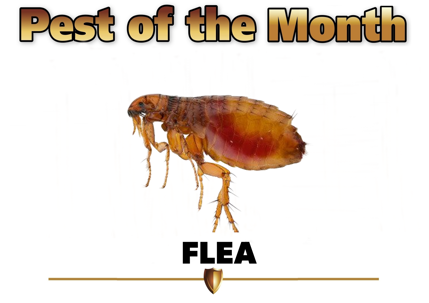
Fleas may be small, but they can cause significant problems for homeowners and pet owners. These tiny, blood-feeding insects are especially common during warmer months and can quickly move from pets to carpets, furniture, and bedding. In Rhode Island and Massachusetts, flea activity often increases from late spring through early fall. Knowing how to spot fleas early and how to limit their spread can help reduce discomfort for people and pets.
At Guardian Pest Control, education is an important first step in effective pest management. We provide advice and guidance, as well as pest control solutions. Contact us at (401) 812-3033 to schedule an appointment.
How to Identify Fleas
Fleas are difficult to notice at first, but knowing what they look like can make a difference.
Before looking for treatment options, it helps to recognize the pest itself:
- Size – About 1/16 to 1/8 of an inch long
- Color and appearance – Dark brown to reddish-brown with a flat body
- Physical features – Six legs, strong hind legs for jumping, and two antennae
- Common types – Most household issues involve cat fleas
- Where they’re found – On warm-blooded animals, pet bedding, carpets, rugs, and shaded outdoor areas
Because fleas move quickly and hide easily, infestations often go unnoticed until symptoms appear.
Common Signs of a Flea Infestation
You might first notice fleas through changes in your pets or unexplained bites.
Some of the most common signs include:
- Pet behavior – Excessive scratching, licking, or chewing at the skin
- Skin irritation – Red bumps or rashes on pets or people
- Visible evidence – Small black specks (flea dirt) on pet bedding, carpets, or upholstery
- Household hotspots – Areas where pets rest, such as rugs, couches, and blankets
Fleas often enter homes by hitching a ride on pets, rodents, or even clothing.
Why Fleas Are a Problem
Flea bites can cause itching and irritation in people and animals. Pets may develop hair loss or skin infections from persistent scratching.
Fleas can also carry bacteria that can affect animals and, in some cases, humans.
Adding to the challenge, a single female flea can lay hundreds of eggs over her lifetime, allowing populations to grow quickly if conditions are right.
Seasonal Flea Activity and Behavior
Fleas thrive in warm, humid environments and are most active at dusk and night. In New England, flea activity typically increases in late spring and peaks during the summer. Shady yards, tall grass, and humid indoor spaces create ideal conditions, which is why infestations often appear suddenly during the warmer months.
Simple Flea Prevention Tips for Homeowners
Prevention focuses on reducing opportunities for fleas to establish a presence.
Helpful habits include:
- Pet care – Regularly groom pets and wash pet bedding
- Indoor maintenance – Vacuum carpets, rugs, and furniture frequently
- Outdoor awareness – Keep lawns trimmed and limit wildlife access near the home
- Routine monitoring – Check pets after spending time outdoors
Consistency is key to reducing flea activity.
When It May Be Time to Call a Professional
If flea activity continues despite regular cleaning and prevention efforts, the issue may extend beyond what’s visible. Ongoing scratching, recurring bites, or widespread signs throughout the home can indicate a larger infestation. In these situations, working with a licensed pest control provider can help address the problem more thoroughly.
Guardian Pest Control offers guidance and treatment options designed to support long-term pest management and prevention. Schedule a service by calling (401) 812-3033 or contacting us online.